Dreaming about fresh eggs in the morning, a small orchard in the backyard, or a quiet pasture just outside town? If a hobby farm near Middlebury has been on your mind, you’re not alone. Many buyers want a rural lifestyle while keeping a job in regional hubs like Elkhart, Goshen, or South Bend. In this guide, you’ll learn the key steps, checks, and decisions that help you buy with confidence. Let’s dive in.
What a Middlebury hobby farm includes
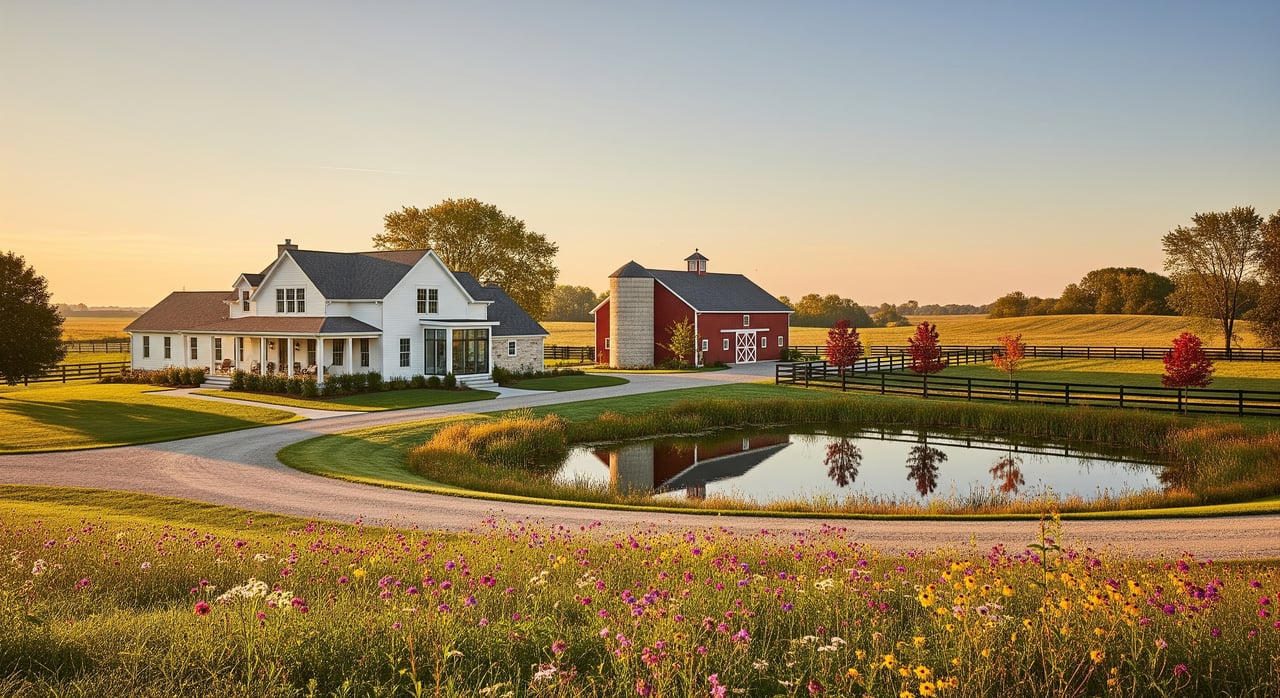
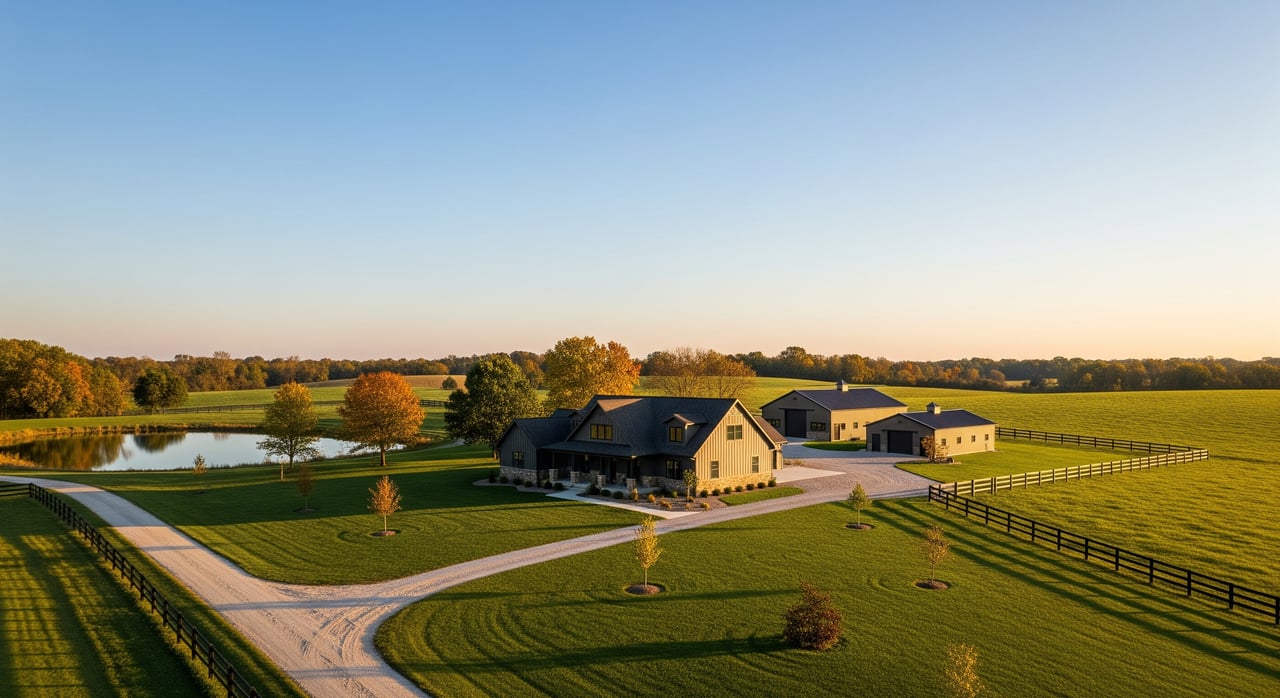
In and around Middlebury, properties marketed as hobby farms often sit on a few acres up to 20–40 acres. You may see listings with older barns, sheds, fencing, pasture areas, and private well and septic systems. Buyers are usually drawn by small-scale livestock, gardening or orchard plans, and a lifestyle change with flexible work arrangements.
Inventory and features vary by season. You will want to confirm acreage, the condition and age of outbuildings, water access for livestock, and whether fencing and gates match your plans. A local agent can help you compare recent sales and current options through the local MLS and county property records.
Location and commute trade-offs
Middlebury blends a small-town core with surrounding farmland. Some parcels sit inside town limits while many are in unincorporated Elkhart County. That difference matters because zoning and permitting are handled by separate jurisdictions.
If you plan to commute, map drive times to Elkhart, Goshen, or South Bend, and check your daily routes during peak hours. Also verify utility availability and internet speeds if you work from home, since rural broadband can vary by road and provider.
Zoning and rules to verify
Before you fall in love with a property, confirm how it is zoned and what that zoning allows. Parcels inside Middlebury follow town ordinances, while those outside follow county zoning and any township rules. Zoning affects permitted animals, the number and type of accessory buildings, and required setbacks.
Review any deed restrictions, covenants, or HOA rules that may limit livestock, fencing type, or home-based businesses. Ask the County Recorder for recorded documents and check for any shared-drive or access easements. If the property has agricultural use classification or a special tax treatment, confirm eligibility and requirements with the Elkhart County Assessor.
Land, soils, and water
Healthy soils and good drainage are the backbone of a successful hobby farm. Northern Indiana soils often include clay and silt loams, with field-by-field variability. Use soil maps as a starting point, then plan an on-site soil test to check fertility and pH, especially if you want pasture, hay, vegetables, or an orchard.
Many local fields use subsurface tile drainage. Old or damaged tile can create persistent wet spots and limit building sites. You should also review flood risk using current floodplain information and walk the land to spot low areas and drainage paths. If the property has a private well, test water quality for bacteria, nitrates, and other local concerns, and verify well depth and pump age.
Septic, utilities, and access
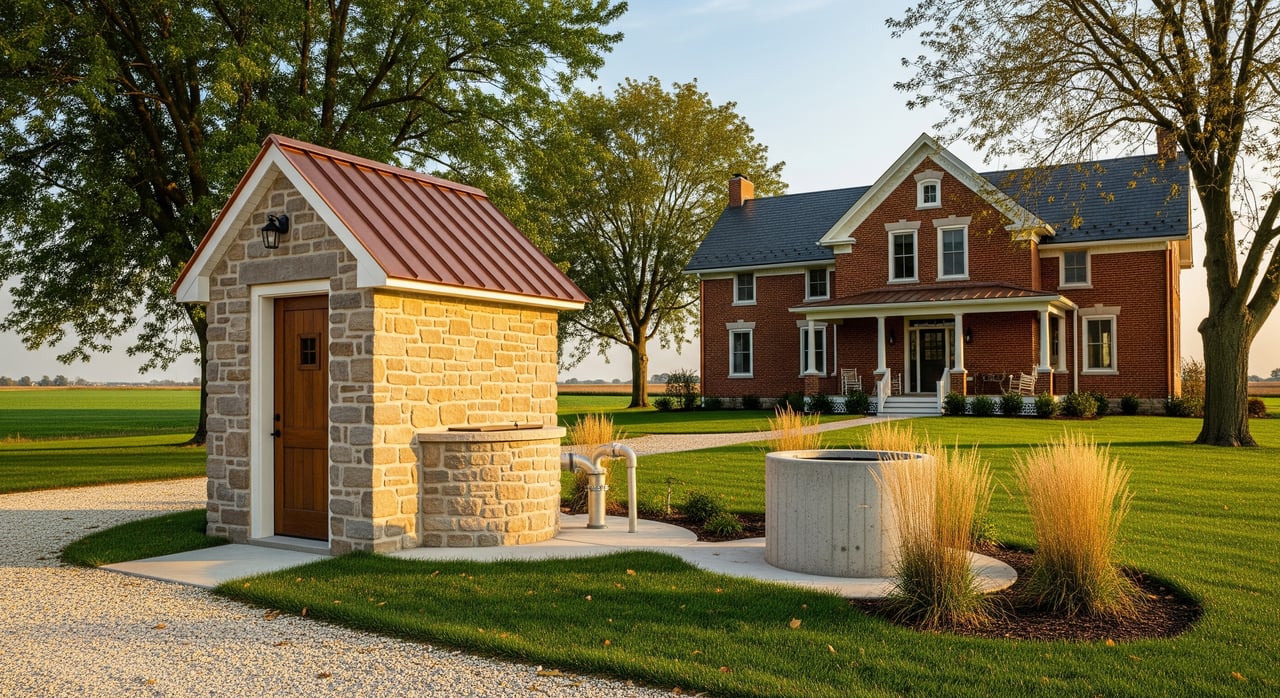
Most hobby farms rely on private well and septic. Learn the septic type, age, and capacity, and plan for an inspection. Replacement costs can be significant if the system fails or if soil conditions require a specialized design.
Confirm electrical service and whether power capacity meets your plans for barns, workshops, or heavy equipment. Ask about broadband providers and speeds if remote work is important. Finally, find out if you are on a county-maintained road or a private road. For private roads, maintenance and snow removal typically fall to landowners or an HOA, so get any agreements in writing.
Outbuildings, fencing, and livestock basics
Walk every barn, shed, and shop. Look at roofing, posts, foundations, electrical, and water lines. Note ventilation, stall layout, and safe storage for feed and equipment. Fencing condition matters for the safety and management of animals. Check gates, corner bracing, and water access points in each pasture.
Local ordinances may set limits on the types and numbers of animals and require setbacks or waste management plans. If you plan to keep horses, goats, chickens, or other livestock, verify that your intended use is permitted on the parcel. Identify nearby large-animal veterinarians and feed suppliers, and consider travel time for routine and emergency care.
Financing, tax status, and insurance
Many buyers use conventional mortgages for rural residential properties, but loan terms can change based on acreage, income-producing features, or commercial-scale outbuildings. USDA Rural Development programs may be available for eligible rural purchases depending on location and household income. Farm Service Agency options typically focus on beginning farmers and operating capital, and are not always a fit for residential hobby setups.
Ask lenders who know rural properties to review your plans. Commercial boarding of animals or significant farm activity can trigger different loan types, so get clarity early. On taxes, ask the county assessor about agricultural use classifications, qualification rules, and any continuous-use requirements. For insurance, standard homeowners coverage often excludes farm operations and livestock liability. A farmowner or ranch policy can cover barns, equipment, and animals, and flood insurance may be required in mapped floodplains.
Daily operations and time commitment
A hobby farm requires consistent care. Plan for daily chores, seasonal maintenance, and backup coverage for travel or illness. Pasture management, rotational grazing, fencing upkeep, and nutrient management all support long-term land health.
If you want to sell produce, board animals, host classes, or offer agritourism activities, confirm what permits or approvals you will need. Federal and state programs can offer technical support or cost-share for conservation practices, and existing enrollments may carry transfer rules or penalties.
Buyer checklist for Middlebury-area farms
Use this quick-reference checklist to stay organized:
Pre-offer
- Confirm whether the property is in town limits or unincorporated county, then verify the zoning district and permitted uses.
- Review recorded covenants, HOA rules, and any easements or shared-drive agreements.
- Ask the seller about existing farm operations, leases, or equipment included.
- Check commute times, electric service details, and internet availability.
Offer and contingencies
- Include a well water test and septic inspection, plus an on-site soil and field assessment.
- Add a survey contingency if boundaries or access are unclear.
- Inspect all outbuildings, with a structural review of barns and electrical systems.
- If planning for livestock, verify fencing, water sources, and local animal ordinances.
Before closing
- Confirm insurance options and pricing for dwelling and farm liability.
- Verify transfer or termination of any conservation or farm program enrollments.
- Get road maintenance agreements and responsibilities documented, if applicable.
Red flags to watch for
- Unpermitted structures or unresolved code issues.
- Undocumented or damaged tile drainage that creates ongoing wet areas.
- Buried tanks, chemical storage history, or signs of soil contamination.
- Shared access without clear, recorded maintenance agreements.
- Parcels advertised as buildable that include regulated wetlands or strict setbacks.
- Lenders or insurers unwilling to support properties with commercial-scale buildings or activity.
How a local agent helps you win
Buying a hobby farm is part lifestyle and part logistics. You benefit from a partner who knows rural transactions, local zoning, wells, septics, outbuildings, and the regional market cycle. From aligning your wish list with zoning and covenants to coordinating inspections, surveys, and lender requirements, the right agent helps you avoid missteps and buy with confidence.
If you are weighing your options near Middlebury, connect with a local specialist who understands acreage, small farms, and lifestyle properties across northeastern Indiana. For patient guidance and tailored representation backed by premium marketing reach, connect with Noel Frost.
FAQs
What is a hobby farm near Middlebury?
- A small-acreage property, often a few to 20–40 acres, used for lifestyle farming like gardens, orchards, or modest livestock rather than full-scale commercial production.
Can I keep chickens, goats, or horses on my land?
- It depends on zoning and any deed covenants or HOA rules; verify your parcel’s district and permitted uses with local planning and zoning before you buy.
How do I check soil and drainage before purchasing?
- Review soil maps as a starting point, then schedule on-site soil testing and look for signs of tile drainage and wet areas to ensure the land fits your intended use.
What inspections should I order for a rural property?
- Plan on a well water test, septic inspection, structural checks for barns and outbuildings, and a survey if boundaries, access, or easements are uncertain.
Which loans work for hobby farms around Middlebury?
- Many buyers use conventional loans; USDA Rural Development may fit based on location and income, while FSA programs vary and are not always suited to residential hobby farms.
Do I need special insurance for animals and barns?
- Yes, homeowners policies often exclude farm operations and livestock; ask about farmowner coverage for barns, equipment, animals, and related liability, plus flood insurance if required.