Thinking about moving to the water and wondering what life on Lake Wawasee is really like? You’re not alone. This lake is a dream for many buyers, but it comes with unique rules, maintenance needs, and seasonal rhythms that you won’t see inland. In this guide, you’ll learn what to check before you buy, how docks and shoreline rules work, where to find official information, and what day-to-day life feels like in Syracuse and around the lake. Let’s dive in.
Why Lake Wawasee draws buyers
Lake Wawasee is the largest natural inland lake in Indiana and anchors a year-round community with a lively summer season and a quieter off-season. Syracuse is the main town with shops, services, and events, while county offices and broader services are based in Warsaw. You’re within driving distance of Fort Wayne and South Bend, which makes Wawasee a popular choice for second homes and full-time lake living.
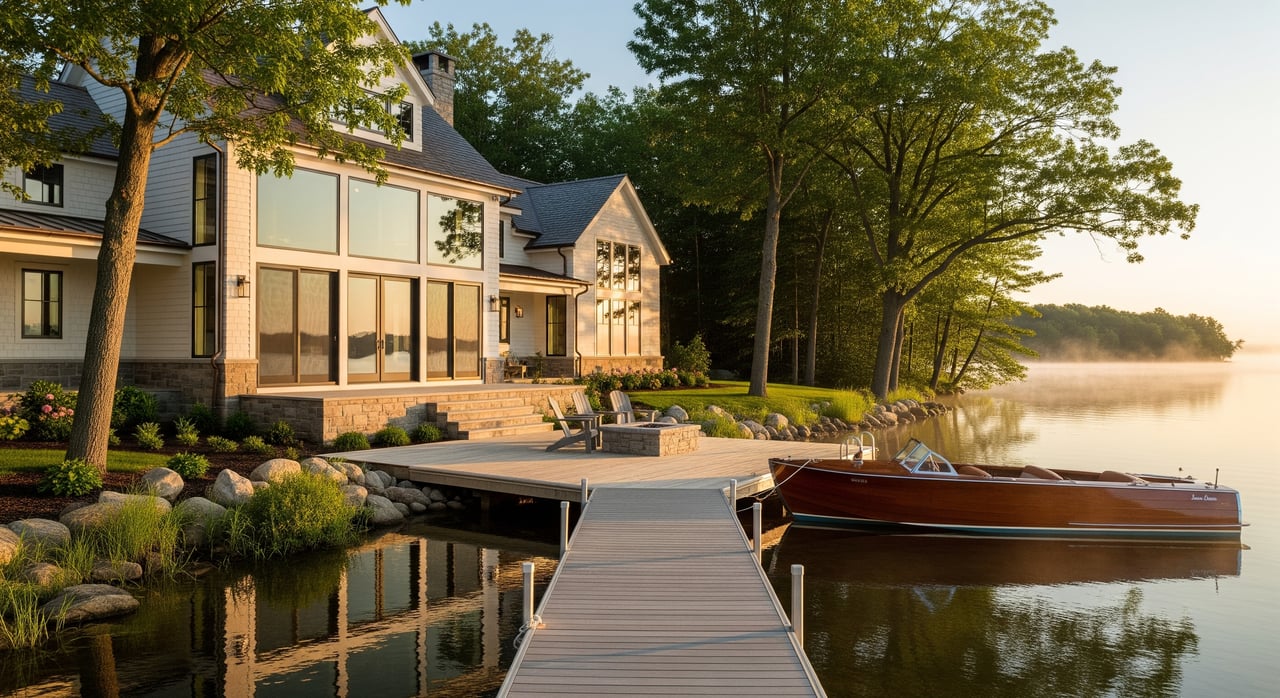
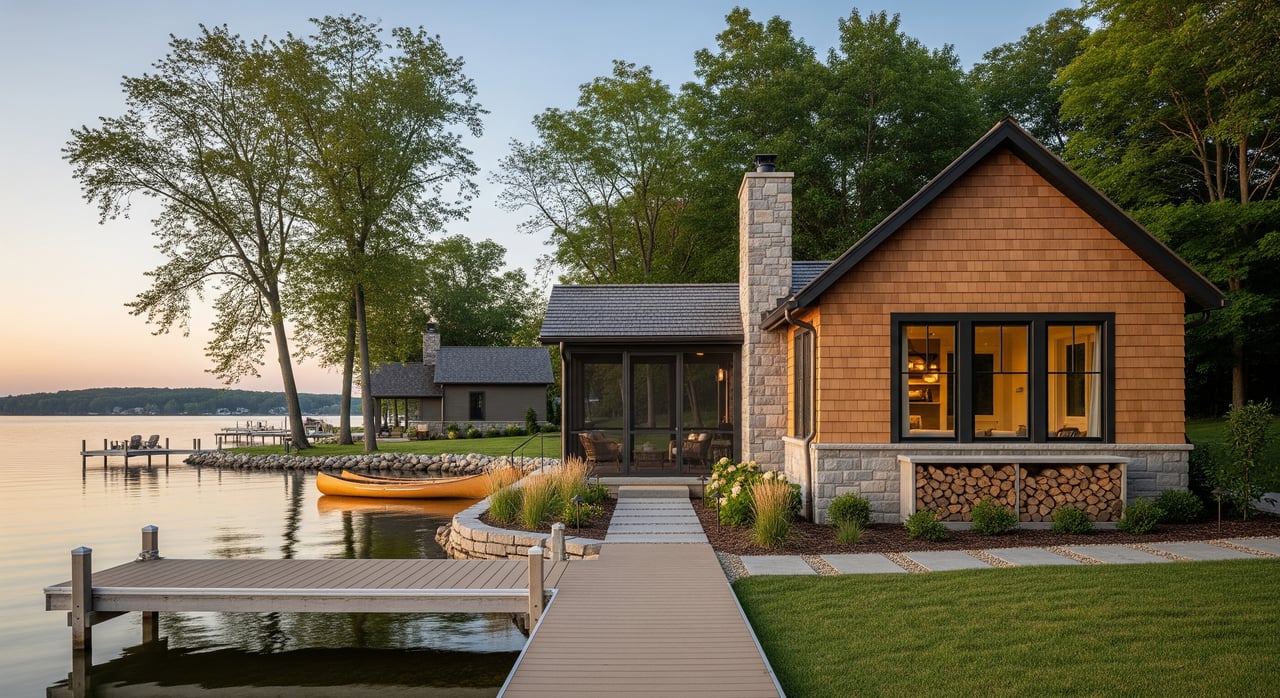
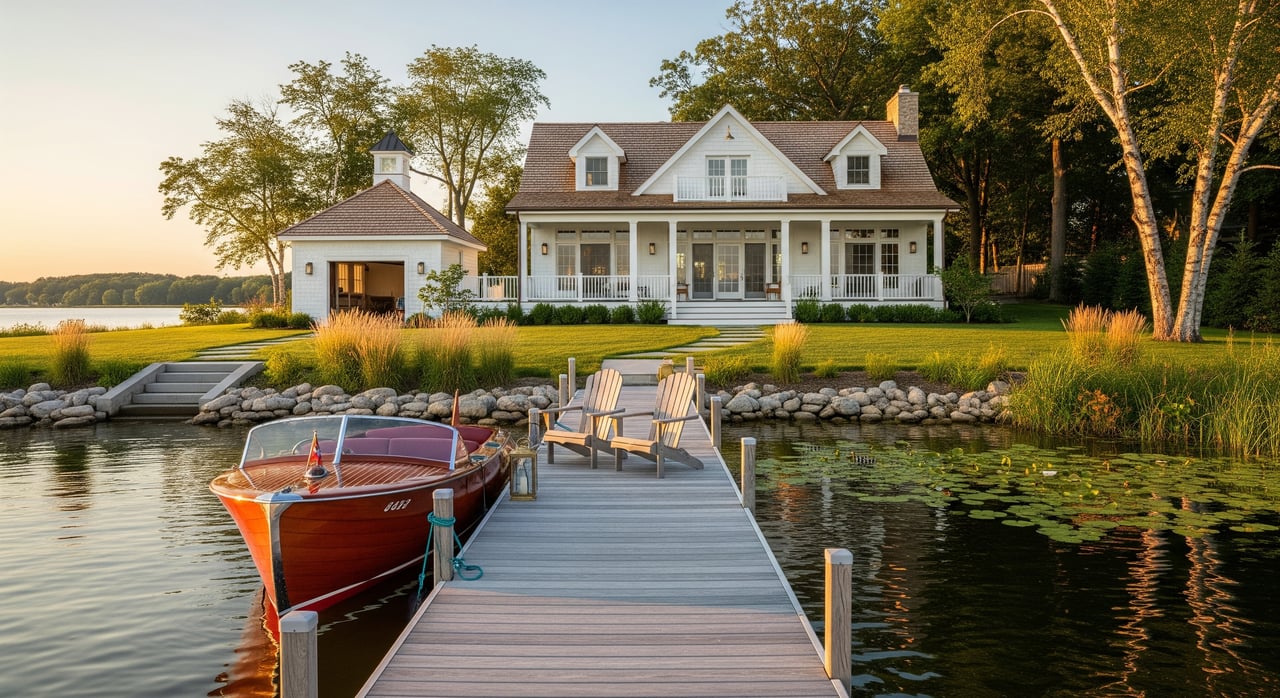
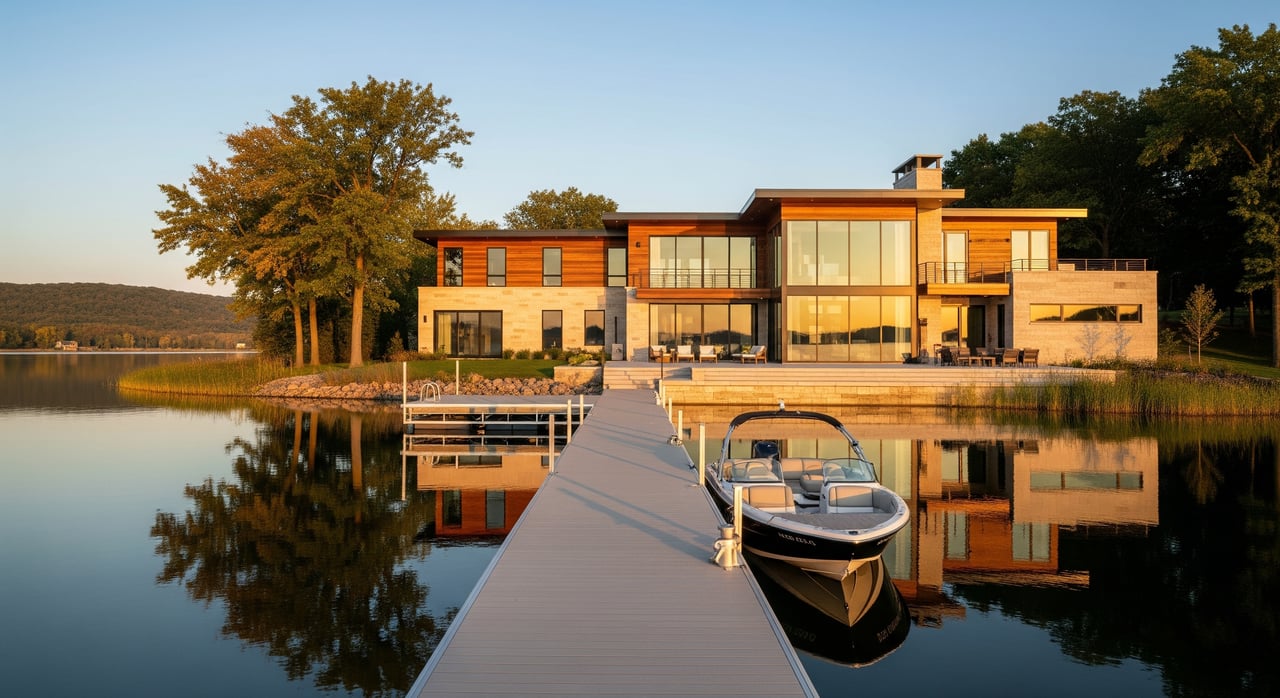
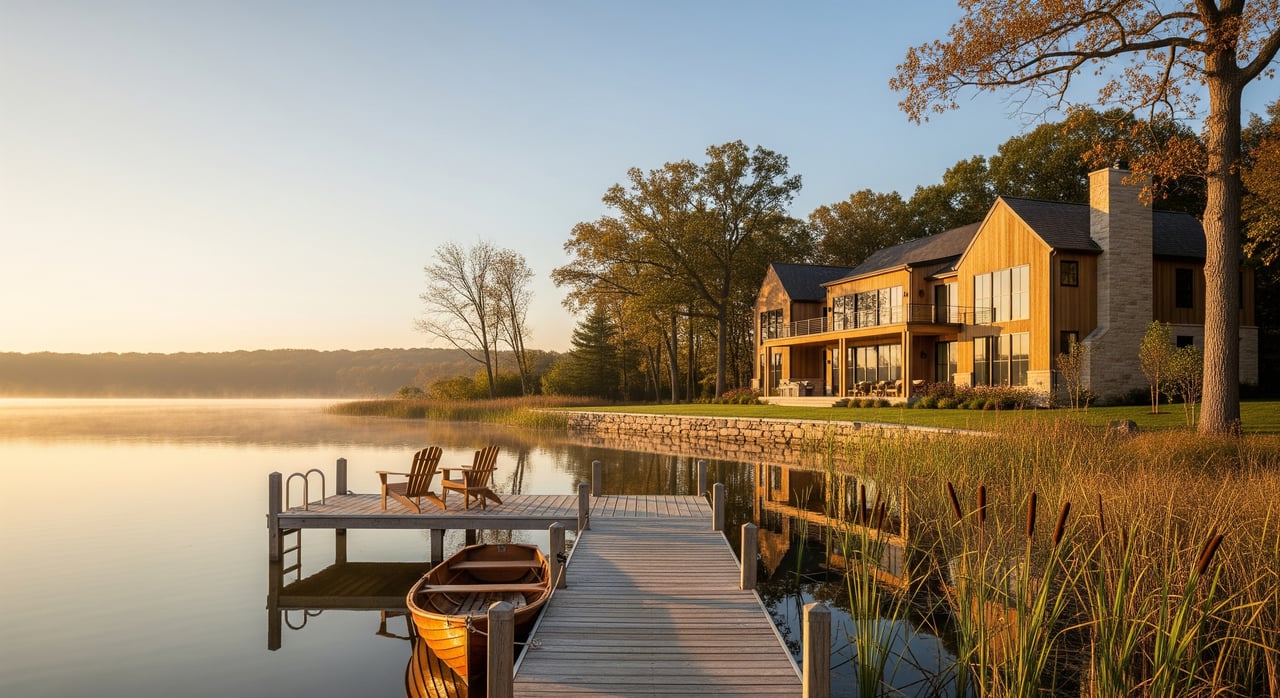
You’ll find a mix of classic cottages, updated waterfront homes, and properties tucked along channels and bays. Life here revolves around the water, so boating culture, dock setups, and shoreline care shape daily routines and property value.
Buying lakefront: what to know first
Market and value drivers
Lakefront commands a premium over inland property. Value often hinges on frontage length, water depth at the dock, lake views, shoreline condition, and whether the property includes a dock or boathouse. Septic and well status, proximity to town amenities, and parking also matter. Inventory for true waterfront can be tight, especially in spring and summer.
Title, easements, and riparian rights
Before you fall in love with a view, confirm who actually owns the shoreline and whether neighbors have deeded access across the parcel. Ask a title company to search for easements, riparian rights, and any covenants or HOA rules that affect docks, setbacks, or shoreline work. A current survey helps clarify boundaries and water access.
Docks, boathouses, and shoreline rules
Multiple layers of rules can apply to docks and shorelines. The Indiana Department of Natural Resources sets state boating and use rules, and town or county ordinances can add local restrictions. Permits are often required for shoreline projects like rip-rap, seawalls, or dredging. If a dock exists, verify that it’s permitted and insurable, and clarify ownership and maintenance for any shared structures.
For boating operation, speed and no-wake zones near shore and within channels are common. Look for posted signs, local maps, and state guidance from the Indiana Department of Natural Resources.
Utilities, septic, wells, and internet
Many waterfront homes rely on private septic systems and wells. Ask for septic permits and maintenance records, and schedule a septic inspection. Test well water for bacteria, nitrates, and metals before closing. Some areas may offer sewer hookups; confirm availability and connection costs. Internet and cellular coverage can vary by address, so check providers and speeds if you need reliable remote work.
Flood risk and insurance
Not every lakefront parcel sits in a FEMA Special Flood Hazard Area, but lenders may still require flood insurance and many buyers carry it by choice. Check your flood zone and elevation details at the FEMA Flood Map Service Center. Ask insurers about coverage for docks, boats, and shoreline features, because standard policies may not include every water-related risk.
Taxes, assessments, and local fees
Property taxes and assessed values are handled through Kosciusko County. Ask about any special assessments tied to stormwater projects, dredging, or other community improvements. Your title company and the county Treasurer can help you identify current and pending assessments.
Short-term rentals and seasonal use
Rules for short-term rentals can vary by town, county, and HOA. If you plan to rent, verify Syracuse and Kosciusko County requirements, HOA restrictions, permits, and tax obligations. Consider parking capacity, septic limits, and insurance needs for frequent guest turnover.
Daily life and amenities around Wawasee
Boating and water recreation
You can enjoy powerboating, fishing, paddling, and winter activities when conditions are safe. Confirm locations and hours for public launches, marinas, and fuel docks before peak season. For fishery details and stocking updates, consult the Indiana Department of Natural Resources.
Events and community
Syracuse hosts community gatherings, and lake organizations often plan cleanups, educational talks, and summer happenings. Calendars shift year to year, so check town and lake-association listings each season.
Services, schools, and healthcare
You’ll find everyday shopping and dining in Syracuse, with broader retail and hospitals in Warsaw and nearby regional centers. The Wawasee Community School Corporation serves the area; verify school assignments by address and review neutral, current data from official sources.
Seasonal living and maintenance
Summer brings more boats, visitors, and activity. Off-season life is quieter, but there’s still work to do. Plan for winterizing plumbing, wells, and seasonal systems. Docks and lifts may need removal or reinforcement before freeze-up. Natural shoreline buffers help with erosion and water quality.
Environmental and safety essentials
Water quality, algae, and advisories
Local lake associations and conservancy groups often track clarity, nutrient levels, and algal blooms. Freshwater harmful algal blooms can occur, so learn how local advisories are posted and follow state updates from the Indiana Department of Environmental Management.
Aquatic invasive species
Invasive species like zebra mussels and Eurasian watermilfoil can impact habitat and boating. Clean, drain, and dry boats and gear to prevent spread. Follow state inspection and decontamination guidance from the DNR.
Permits, rules, and who to call
Shoreline work typically requires county and state coordination. Expect to work with Kosciusko County Planning and Zoning for setbacks and building permits, the Health Department for septic, and the DNR for certain shoreline and boating matters.
Emergency readiness
Syracuse Fire/EMS and the Kosciusko County Sheriff provide public safety. Some properties have limited road access, which can influence response times. Map the closest access points for first responders, and keep seasonal hazards in mind. For weather-driven safety planning, review National Weather Service seasonal guidance.
Your pre-purchase checklist
- Confirm parcel boundaries, shoreline ownership, and any shared access with a current survey and title review.
- Obtain the deed; check for covenants, HOA rules, and recorded easements.
- Review county zoning, building setbacks, and dock or boathouse rules.
- Schedule a septic inspection; review permits and maintenance records. Test well water.
- Ask for permits for any shoreline work, rip-rap, seawalls, or dredging.
- Look up your flood zone and elevation through the FEMA Flood Map Service Center. Get quotes for flood insurance if needed.
- Verify utility hookups, internet options, and road access or private road maintenance.
- Get preliminary quotes for homeowners, flood, and umbrella coverage.
- Ask about recent water-quality advisories and invasive species management.
- Confirm school assignments, healthcare access, and emergency services from your address.
First 10 questions to ask a seller
- Who owns the shoreline and dock, and are there any shared-use agreements?
- Is the current dock permitted, and what are the dimensions and capacity?
- What are the water depth and bottom conditions at the dock in summer and at low water?
- Are there recorded easements, HOAs, covenants, or setbacks affecting future changes?
- What is the age and service history of the septic system and well?
- Has the property had any shoreline permits, violations, or erosion issues?
- Are there any special assessments planned or outstanding for local projects?
- What are typical utility costs and internet providers at this address?
- Have you filed any insurance claims related to water, flood, or ice damage?
- If rented short term, what permits or registrations are in place, and how often is it rented?
How to read a FEMA flood map for your lake home
- Go to the FEMA Flood Map Service Center and search by property address.
- Open the interactive map and note the flood zone designation for your parcel.
- Look for Base Flood Elevation lines and read the legend to interpret risk.
- If your lender requests one, order an elevation certificate from a qualified surveyor.
- Share findings with your insurance agent to compare coverage options and premiums.
Top steps to prepare your dock and shoreline for winter
- Check connections, winches, and lifts; repair or replace worn parts before freeze.
- Remove portable docks and lifts if required or recommended; secure what stays in place.
- Protect electrical and water lines; shut off and winterize plumbing as needed.
- Inspect rip-rap and seawalls; schedule maintenance to reduce spring erosion.
- Photograph conditions for reference and insurance documentation.
Local contacts cheat sheet
- Town of Syracuse: local ordinances, parks, launch info, and community events.
- Kosciusko County Assessor/Recorder/Planning & Zoning: taxes, deeds, permits, setbacks.
- Kosciusko County Health Department: septic permits, well testing guidance.
- Indiana Department of Natural Resources: boating rules, fishery reports, invasive species guidance. Visit the Indiana Department of Natural Resources.
- FEMA Flood Map Service Center: flood zone determinations and map downloads. Use the FEMA Flood Map Service Center.
- Indiana Department of Environmental Management: statewide water-quality and HAB advisories. See the Indiana Department of Environmental Management.
- National Weather Service: seasonal weather hazards and safety tips. Check the National Weather Service.
Ready to explore Wawasee?
If living on Lake Wawasee is on your horizon, you deserve clear guidance rooted in local experience. From shoreline questions and septic due diligence to dock permits and insurance planning, you can move forward with confidence when you have a knowledgeable partner at your side. To talk through your goals and get a plan for your next steps, reach out to Noel Frost. Schedule a complimentary consultation.
FAQs
Do I need flood insurance for a Lake Wawasee home?
- It depends on your FEMA flood zone and lender requirements, but many buyers choose coverage after checking their property on the FEMA Flood Map Service Center and comparing quotes.
Are there public marinas and boat launches on Lake Wawasee?
- Yes, the area supports public and private launches and marinas; confirm specific locations, fees, and hours with the Town of Syracuse and local operators before peak season.
Can I build or modify a dock on Lake Wawasee?
- Often yes, but permits and setback rules apply; consult Kosciusko County Planning & Zoning and the Indiana DNR, and review any HOA covenants before you draw plans.
How are short-term rentals handled around Syracuse and Kosciusko County?
- Rules vary by jurisdiction and neighborhood, so verify town and county ordinances, HOA policies, permits, and taxes before renting or buying with rental intentions.
What should I know about septic and wells on lake property?
- Many homes use private systems; review septic permits and maintenance records, schedule an inspection, and test well water for bacteria, nitrates, and metals before closing.