Pricing a Sylvan Lake cottage can feel tricky. Waterfront homes do not follow the same rules as traditional houses in town, and you want to get it right the first time. With the right checks, a lake‑specific comparable market analysis, and a clear strategy, you can set a price that attracts serious buyers and protects your bottom line. This guide walks you through what matters most on Sylvan Lake and how to turn those details into a confident list price. Let’s dive in.
What drives Sylvan Lake value
Water access and shoreline
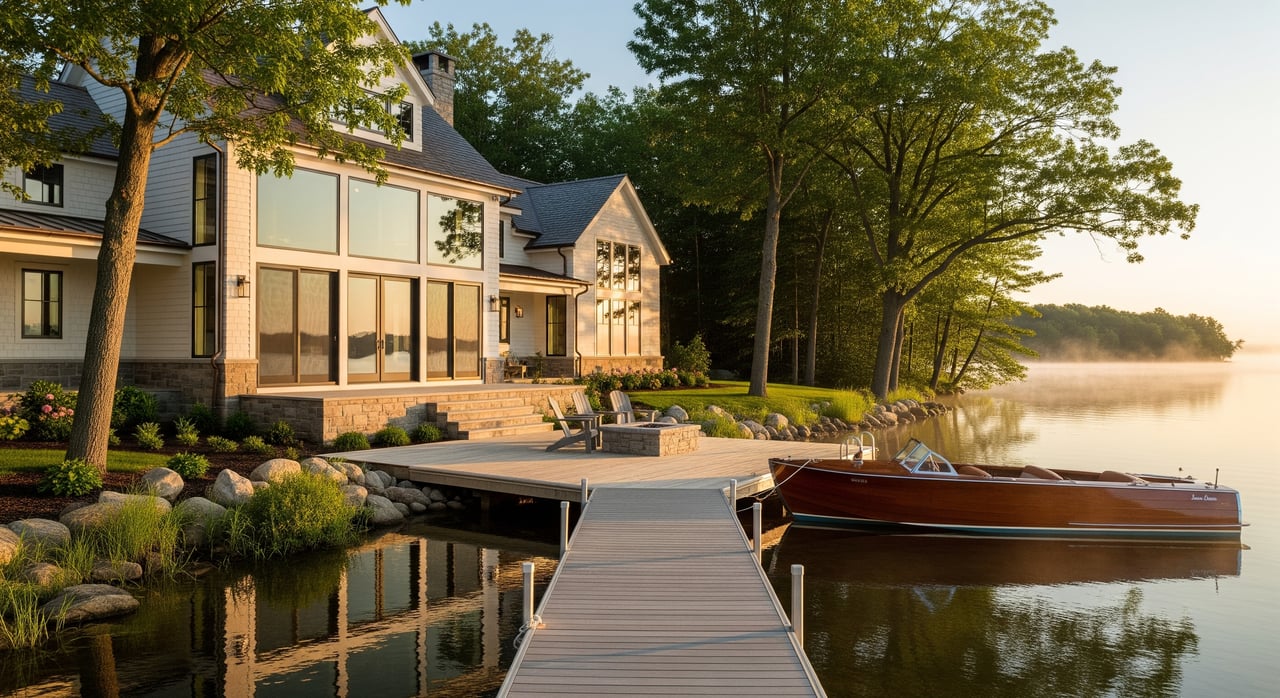
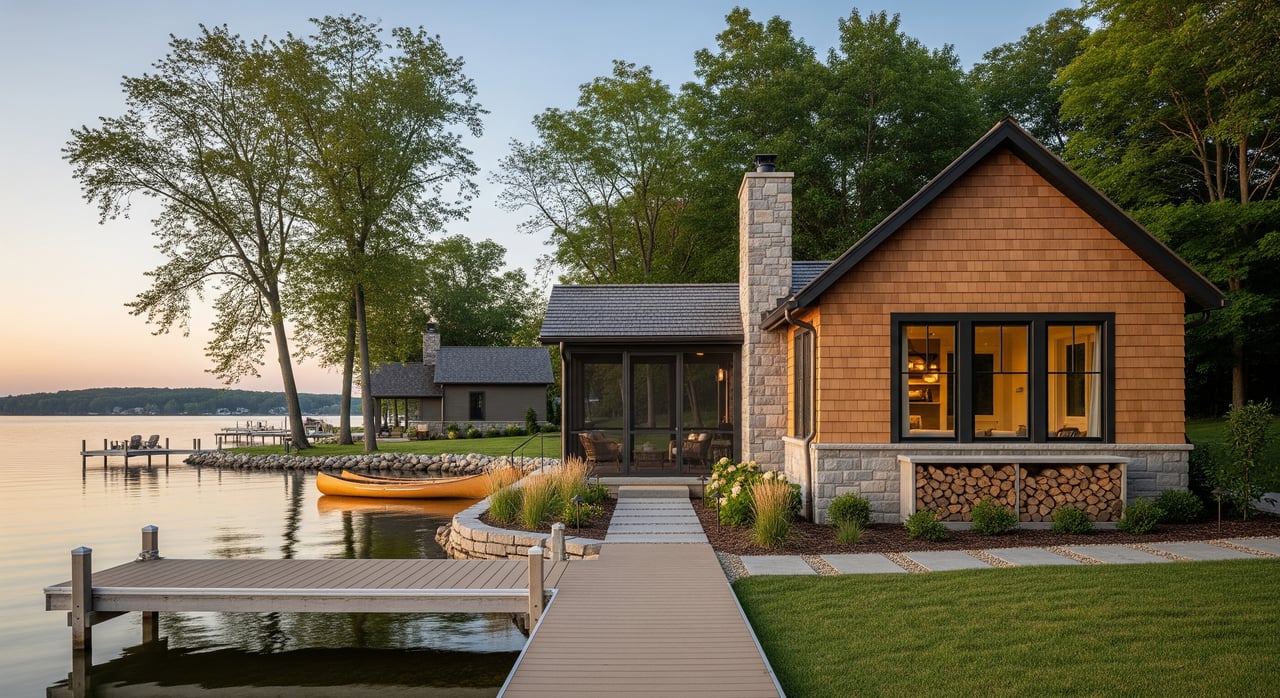
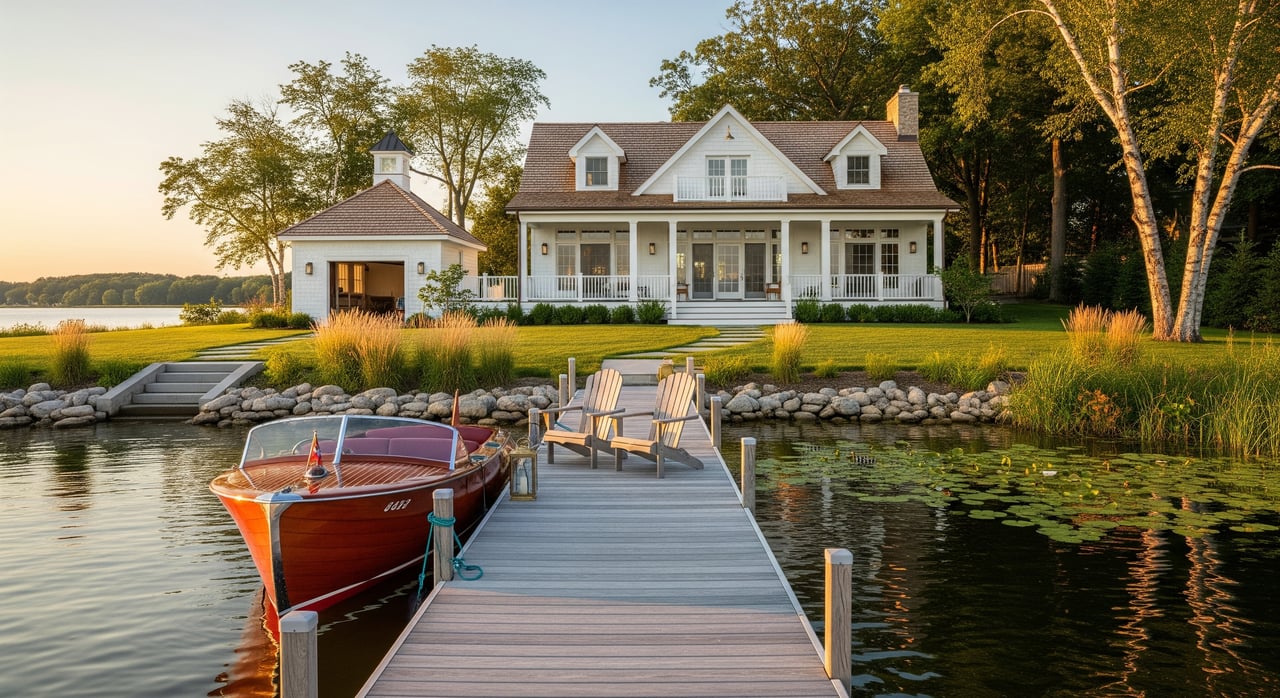
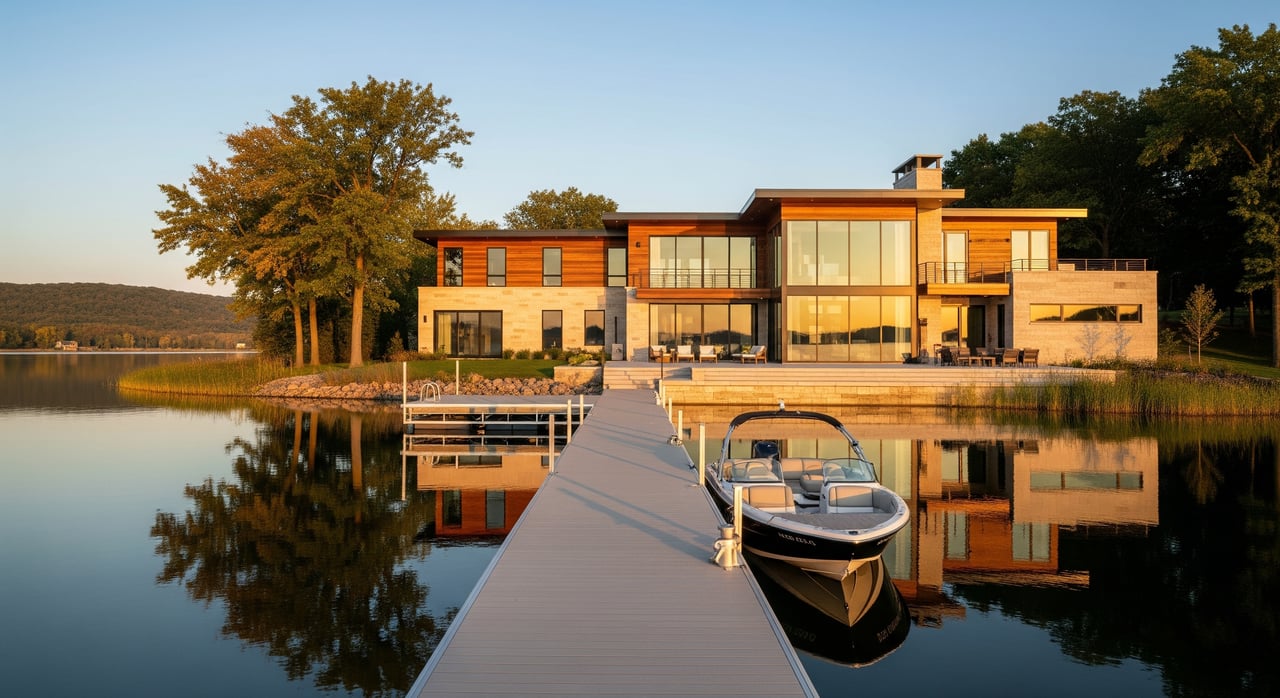
Water access is the first filter buyers use. Direct riparian frontage with a private dock typically commands the strongest prices, while shared or association access and off‑lake properties trade at discounts. Usability matters too. A sandy or gradual shoreline is more desirable than steep or rocky edges, and a stable seawall or well‑maintained natural shoreline adds confidence for buyers.
Lake characteristics you cannot change
Buyers choose Sylvan Lake for its size, boating, fishing, and on‑water lifestyle. Factors like water clarity, aquatic vegetation, and seasonal water‑level patterns influence demand. You cannot control these items, yet they shape the buyer pool and the premium they are willing to pay. Lean into the lake’s strengths and document any proactive lake‑management efforts from local associations when available.
Lot frontage and topography
Linear water frontage often drives value more than interior square footage. A wider view and more usable frontage are worth more, especially on tighter shorelines. Topography also matters. Gentle slopes to the water and ample buildable area are easier to live with and expand upon than steep or constrained lots.
Cottage improvements and utilities
Updates that improve livability carry weight. Buyers respond to new or well‑serviced docks and lifts, a sound seawall, a healthy septic system, and reliable well water. Heating, insulation, and year‑round HVAC broaden your buyer pool and support financing options. In contrast, seasonal-only use or deferred maintenance often pushes price down or invites repair negotiations.
Do the Rome City local checks
Before you pick a number, gather documentation. It builds buyer trust and backs up your price.
- Noble County Assessor and Recorder: Confirm parcel dimensions, assessed value, tax history, and last sale details. Use this data to cross‑check market expectations.
- Planning and zoning: Verify setbacks, lot coverage, accessory structure rules, and whether docks or shoreline work were properly permitted. Check both Noble County and Rome City, as applicable.
- Indiana DNR, U.S. Army Corps of Engineers, and IDEM: Confirm any restrictions that affect docks, shoreline stabilization, and wetland or navigable‑water considerations. Knowing what is allowed reduces buyer uncertainty.
- FEMA Flood Map Service Center: Determine flood zone status. Flood risk can affect insurance costs, financing, and buyer demand.
- County Health Department: Pull septic permits, capacity details tied to bedroom count, and any inspection reports. Obtain well records and water‑quality tests to demonstrate potability.
- Lake or HOA documents: If there is a Sylvan Lake association or HOA, gather bylaws, dues, special assessments, parking and boat rules, and any short‑term rental policies.
- Short‑term rental rules and taxes: If you plan to market rental potential, confirm local licensing, occupancy limits, and applicable lodging or innkeeper taxes.
- Utilities and services: Clarify road maintenance, snow removal, trash service, and internet or cell coverage. Year‑round ease and connectivity influence perceived value.
Build a lake‑specific CMA
A strong comparable market analysis for Sylvan Lake is not a simple price‑per‑square‑foot. You will get a clearer picture by prioritizing waterfront attributes and verifying condition and permits.
Choose the right comps
Use closed sales from the past 6 to 18 months when possible, extending to 24 months if lakefront sales are scarce. Match comps in this order:
- Waterfront type and direct access, including private dock status.
- Linear water frontage and shoreline type.
- Lot size and slope to the water.
- Usable living area and whether the home is heated year‑round.
- Condition and key improvements, such as seawall, dock, and boathouse.
- Proximity to town services and road access.
- Date of sale and market trend alignment.
Consider active and pending listings to understand the competitive set and current demand, but base your value on closed sales. If you lack enough Sylvan Lake data, cautiously expand to nearby lakes with similar characteristics and then adjust for differences in reputation, rules, and amenities.
Make smart adjustments
Use line‑item adjustments for waterfront frontage, shoreline usability, dock and lift, septic and well status, renovations, winterization, and flood‑zone risk. A price‑per‑front‑foot check can help confirm your reasoning, but do not rely on it alone. Front‑foot values vary with view angle, water depth, and access quality, so it is a supporting metric rather than the foundation of your price.
Handle scarce comps
When sales are sparse, document every assumption. Pair a non‑waterfront baseline from the immediate area with real waterfront premiums derived from recent lakefront transactions. Keep a clear spreadsheet that shows your comps, the differences, and the dollar adjustments. This becomes your support file for buyers, agents, and appraisers.
Condition factors that move price
Septic and well
Septic capacity tied to bedroom count, maintenance logs, and a current inspection give buyers confidence and protect value. A marginal or failing system often triggers delays and price concessions. A clean well test for potability is equally important.
Dock, seawall, and shoreline
A solid, permitted dock and stable shoreline increase buyer interest. Deteriorated or unpermitted structures reduce value and can complicate financing. Erosion or failing retaining walls signals risk and often leads to repair credits or a lower sale price.
Winterization and systems
Year‑round HVAC, adequate insulation, and updated mechanicals expand your buyer pool and make the cottage easier to appraise. Seasonal cottages that lack heating or insulation usually sell at a discount or face limited financing options.
Internet and access
Reliable high‑speed internet and straightforward year‑round access are meaningful for remote workers and weekenders alike. Private road maintenance, snow removal plans, and parking clarity all influence price and time on market.
Set your pricing strategy
Establish your value range
Use your adjusted comps to build a low, likely, and high range. The low end reflects any unresolved condition items or limited access. The high end assumes strong frontage, a stable shoreline, documented systems, and recent updates.
Time your listing
Lake buyers surge from late winter into summer. Listing in late winter or early spring helps you capture peak demand and daylight for showings. Summer listings can still perform well, yet you may face more competing inventory.
Tactics that work
- Market‑value pricing: Position within your likely range to attract qualified buyers and keep days on market low.
- Slightly under market: If speed matters, a modest under‑market price can spark multiple offers. Plan for appraisal risk and have your support file ready.
- Avoid overpricing: Overpricing often leads to stalls and visible price drops that can stigmatize the property.
Appraisal and financing
Expect lenders and appraisers to favor waterfront comps with clear adjustments for frontage and condition. Seasonal cottages or unique features can draw extra scrutiny. Prepare an appraisal support packet with your comps, adjustment notes, inspection summaries, and shoreline documentation to keep the deal on track.
Small improvements with strong ROI
- Shoreline and dock safety fixes, plus confirmed permits.
- Septic service and a current well potability test.
- Fresh stain or paint and simple kitchen or bath refreshes.
- Decluttering and light staging to highlight lake views and outdoor living.
- Defined outdoor spaces for dining, fire pits, or lounging.
These items can reduce negotiation friction and support a higher price inside your established range.
Quick seller checklist
- Pull county parcel data, assessed value, and nearby waterfront and non‑waterfront sales.
- Order a septic inspection and well water test.
- Check FEMA flood maps and note any insurance implications.
- Verify dock and seawall permits; gather any lake or HOA rules and dues.
- Build a comps spreadsheet with adjustments for frontage, access, condition, and sale date.
- Choose listing timing and a strategy that matches your goals.
- Address safety and structural repairs first, then do targeted cosmetic updates.
- Prepare for appraisal with a clear dossier of comps and documentation.
Ready to talk pricing?
If you want a sharper read on value for your specific frontage, shoreline, and cottage features, let’s connect. A lake‑specific CMA and a polished marketing plan can help you price with confidence and maximize your outcome in Rome City. Schedule a complimentary consultation with Noel Frost to get started.
FAQs
How does waterfront frontage affect a Sylvan Lake cottage price?
- More linear frontage and a wider view typically increase value. Buyers pay premiums for usable shoreline, privacy, and dock space compared to narrow or constrained lots.
What local permits or rules apply to docks and shoreline work on Sylvan Lake?
- Confirm rules with Indiana DNR, U.S. Army Corps of Engineers for wetlands or navigable water concerns, and Noble County or Rome City for local permits. Having approvals documented supports value and a smoother sale.
How do septic and well results impact my list price and timeline?
- A clean septic inspection and potable well test boost buyer confidence and reduce delays. Marginal systems often lead to repair credits, extended closing timelines, or lower offers.
Do flood zones change pricing or insurance on Sylvan Lake?
- Yes. Properties in higher‑risk flood zones may require flood insurance and face financing constraints, which can reduce buyer demand. Verify status with FEMA flood maps before setting price.
Can I finance a seasonal cottage, or is cash required?
- Conventional financing is common, but seasonal or non‑winterized cottages can be harder to finance. Strong documentation and recent comps help, yet some buyers choose cash for speed and certainty.
What small updates offer the best return before listing?
- Address safety and systems first, especially dock and shoreline items, septic service, and well testing. Then focus on curb appeal, minor kitchen or bath refreshes, and outdoor living spaces to highlight the lake lifestyle.