Thinking about buying or selling a home with a pole barn in Columbia City? You are not alone. Outbuildings are common across Whitley County, and buyers often ask whether a pole barn boosts value or creates hurdles. In this guide, you will learn how appraisers view pole barns, what local rules and taxes could mean for your bottom line, and which features buyers actually pay for. You will also get a simple plan to measure the impact for your specific property. Let’s dive in.
What a pole barn is and why it matters
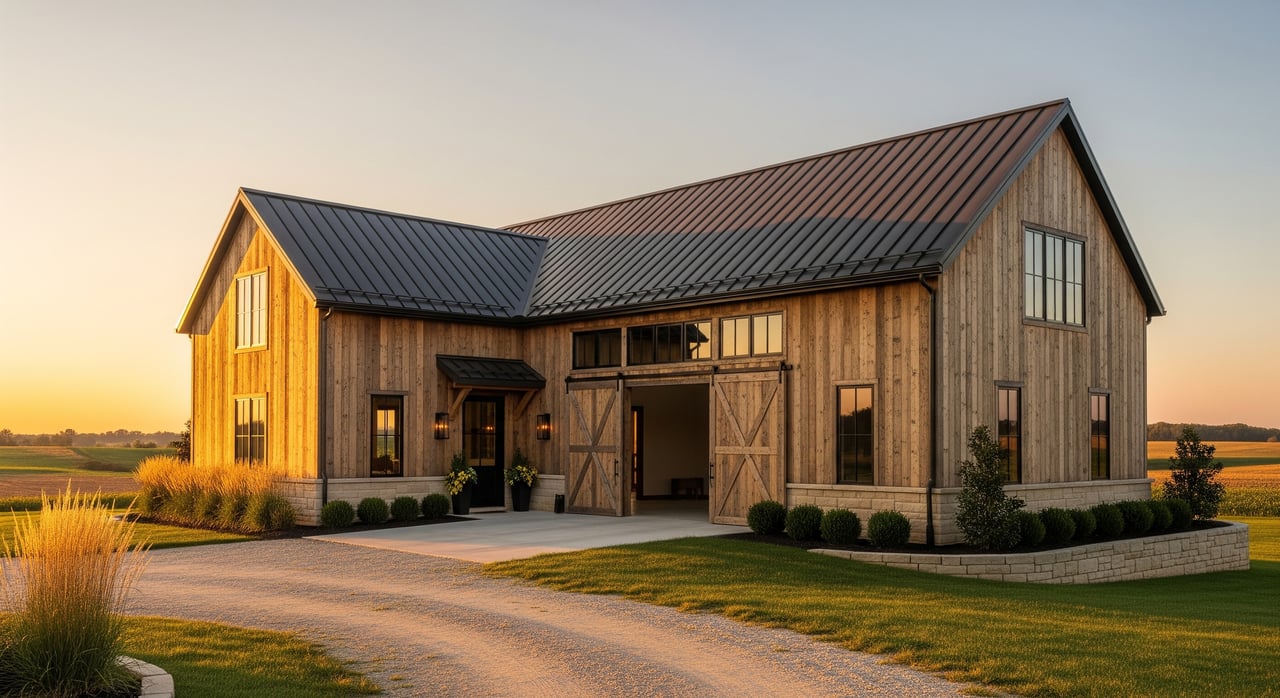
A pole barn, also called post-frame construction, is a single-story accessory building supported by posts set into the ground with a roof and exterior cladding. Around Columbia City and unincorporated Whitley County, common uses include equipment storage, garages, workshops, agricultural storage, and hobby spaces.
If buyers in your area want storage for RVs, boats, or tools, a well-built, well-documented pole barn can increase appeal. If the location is a small-lot subdivision with strict rules, the same structure may add less value. Local demand and fit with the property make the difference.
How appraisers and lenders treat pole barns
When an appraiser evaluates a property with a pole barn, they typically treat the building as an accessory structure.
- Not counted as living area. Pole barns are not included in Gross Living Area (GLA). They do not increase the home’s square footage for appraisal purposes.
- Valued by cost and comps. Appraisers look at replacement cost minus depreciation and compare recent local sales with similar outbuildings. Quality, condition, and features matter.
- Features that influence value. Items like a full concrete slab, tall overhead doors for RVs, insulation, electrical, lighting, and heating can increase the contributory value.
- Lender considerations. Conventional, FHA, and VA guidelines generally exclude accessory buildings from GLA. Lenders may acknowledge added value but typically do not count a pole barn to qualify buyers for a loan.
Bottom line: the barn’s value shows up through the sales comparison and cost approaches, not as additional living space. Better features and good condition can move the needle.
Local demand in Columbia City and Whitley County
In and around Columbia City, buyer interest in pole barns varies by location and lot size. Here is what tends to matter most.
- Where demand is strong. Larger-lot homes and rural properties often attract buyers who want workshop space, storage for RVs or boats, or small-scale agricultural use. For these buyers, a functional pole barn can add marketability and support stronger pricing.
- Where value can be limited. In small-lot subdivisions or areas with design-focused covenants, a pole barn might be restricted or less appealing. If the structure is low quality or out of place, it can reduce buyer interest.
- Fit the buyer profile. In Columbia City’s commuter and rural mix, buyers such as contractors, hobbyists, or owners of larger vehicles tend to value outbuildings. Your agent can help target these groups through marketing and MLS remarks.
Permits, zoning, taxes, and insurance: local must‑knows
Rules differ inside Columbia City limits versus unincorporated Whitley County. Always confirm your property’s jurisdiction before making assumptions.
Zoning and use
- Check whether your zoning district allows accessory structures like pole barns.
- Note setbacks, lot coverage limits, and any subdivision or HOA covenants that could restrict size or placement.
- Agricultural and rural residential zones often allow more flexibility than city residential neighborhoods.
Permits and building code
- Most local jurisdictions require permits for accessory buildings above a certain size and for electrical or plumbing work.
- Indiana jurisdictions adopt state building codes. Structural safety, anchoring, and electrical work are common permit triggers.
- Permit records help at resale. Buyers and appraisers rely on documented compliance.
Property taxes and assessment
- County assessors typically treat pole barns as taxable improvements.
- A permitted, documented structure is added to the property’s assessed value, which can increase property taxes depending on rates and exemptions.
- Ask for your property record card to see how the outbuilding is listed and valued.
Insurance
- If you store vehicles or equipment in the barn, you will likely need coverage. Insurers may require certain construction standards.
- If you plan to use the space for commercial activity, discuss coverage and cost differences with your insurer.
Features that drive value
Not every pole barn is equal in the eyes of buyers or appraisers. Usability tends to matter most.
Usability upgrades
- Full concrete slab
- Multiple tall overhead doors, often 10 to 12 feet or higher for RVs
- Adequate electrical service and lighting
- Thoughtful layout for tools, vehicles, and storage
Quality and finish
- Insulation and heat can transform basic storage into a year-round workspace.
- Durable roofing and siding, solid doors, and proper drainage protect the structure and signal care.
- Documented electrical work and safe installations reduce buyer concerns.
Site and access
- Drive-around access or wide turning radiuses improve utility.
- Placement that complements the home and landscape supports curb appeal.
- Adequate driveway and clear access for large vehicles or trailers add everyday value.
Lifespan and maintenance
- Post-frame buildings can last a long time with proper maintenance.
- Moisture control around posts, roof upkeep, and periodic repairs are important.
- Keep records of maintenance, upgrades, and any structural improvements.
Selling a home with a pole barn
If you are planning to sell, highlight what matters most to local buyers and appraisers.
- Verify permits. Gather building and electrical permits where applicable. Clean documentation builds trust.
- Show the features. Note door sizes, ceiling height, slab type, electrical capacity, insulation, and any heat source.
- Target the likely buyer. Market to groups that value shop space, storage, or hobby use. Use detailed photos and remarks that show scale and access.
- Consider light improvements. Upgrades like better lighting, a clean slab, or improved doors can help if cost-effective. Discuss expected return before spending.
- Price with the right comps. Use recent local sales that include similar outbuildings. A market analysis that calls out accessory structures helps support your list price.
Buying a home with a pole barn
Do your due diligence so you know the true benefit and cost.
- Confirm zoning and allowed uses. Make sure the barn’s current and intended use fits local rules and any subdivision covenants.
- Check permits and workmanship. Review permit history and look for proper structural anchoring, electrical work, and drainage around posts.
- Ask for the property record card. See how the assessor values the outbuilding and plan for potential tax impacts.
- Price the barn realistically. Ask your agent for comps with similar outbuildings to estimate contributory value.
- Review insurance coverage. Confirm the cost and requirements for storage, hobby, or any commercial use.
What is it worth in Columbia City?
There is no fixed dollar-per-square-foot rule for pole barns. Value is highly local and depends on quality, features, and what nearby buyers want. The most reliable approach is to look at recent sales of similar properties with comparable outbuildings and similar lot sizes.
A market analysis or appraisal that specifically addresses the barn’s attributes can provide a credible estimate. Focus on features, condition, utility, permits, and how the barn compares to what buyers are currently paying for in Whitley County.
Quick decision guide: should you build one?
If you are deciding whether to add a pole barn before selling or for your own use, weigh these points.
- When it makes sense: You own a larger lot in an area where buyers need storage or shop space, and you will use the barn in the meantime. You plan to build to code, pull permits, and document the work.
- When to pause: You are in a small-lot subdivision with aesthetic restrictions or limited access. Your expected buyer pool may not value the structure. The placement would crowd the site.
- ROI mindset: Build for function and longevity. Concrete slab, proper doors, electrical, and weather protection tend to matter most at resale. Always compare costs to expected price lift using local comps.
A thoughtfully planned, documented pole barn that matches local buyer needs can support your sale price and speed. A poorly sited, lightly built barn can do the opposite.
Ready to get a clear read on value for your property in Columbia City or greater Whitley County? Let’s talk through your goals, the barn’s features, and the comps that matter. Schedule a complimentary consultation with Noel Frost for a pricing strategy tailored to your property.
FAQs
Will a pole barn increase my property taxes in Whitley County?
- Yes. Assessors typically treat finished pole barns as taxable improvements, which can increase your assessed value and taxes depending on the barn’s value and local tax rates.
Do lenders count a pole barn toward living area in Columbia City?
- No. Accessory structures are generally not included in Gross Living Area. Lenders may recognize added value but typically will not use the barn’s area for loan qualification.
How much value does a pole barn add in this market?
- It depends on quality, features, and local buyer demand. The best way to estimate is to compare recent nearby sales with similar outbuildings or obtain a local appraisal or market analysis.
Are permits required for pole barns around Columbia City?
- Often yes, especially for buildings above certain sizes and for electrical or plumbing work. Confirm requirements with the appropriate city or county building department.
Which upgrades earn the best resale premium in Whitley County?
- Buyers tend to value a concrete slab, tall overhead doors for RVs, adequate electrical and lighting, insulation and heat for workspace, and good site access.
Could a commercial-use pole barn hurt marketability?
- It can narrow your buyer pool. Some buyers value shop-ready features, but others prefer residential use. Confirm allowed uses and be ready to market to the most likely audience.
How do I check HOA or deed restrictions before I buy?
- Ask for subdivision covenants and deed restrictions during your review period and confirm any accessory-structure rules, including size, placement, and exterior requirements.