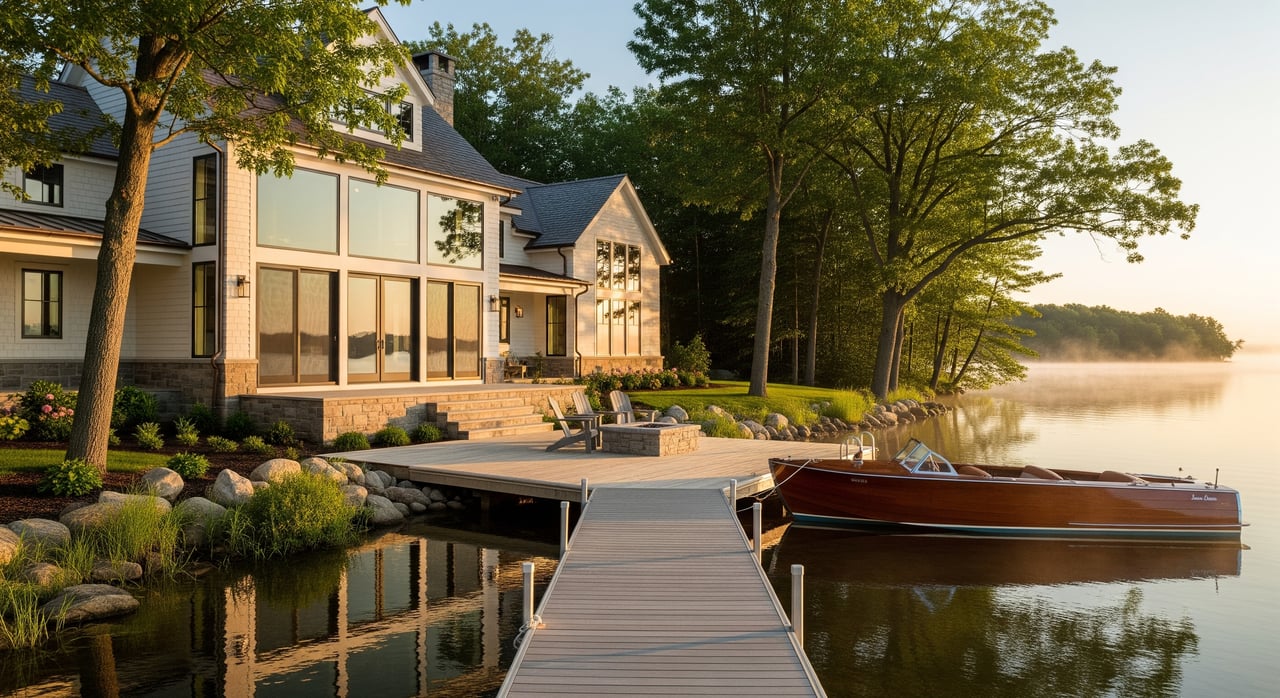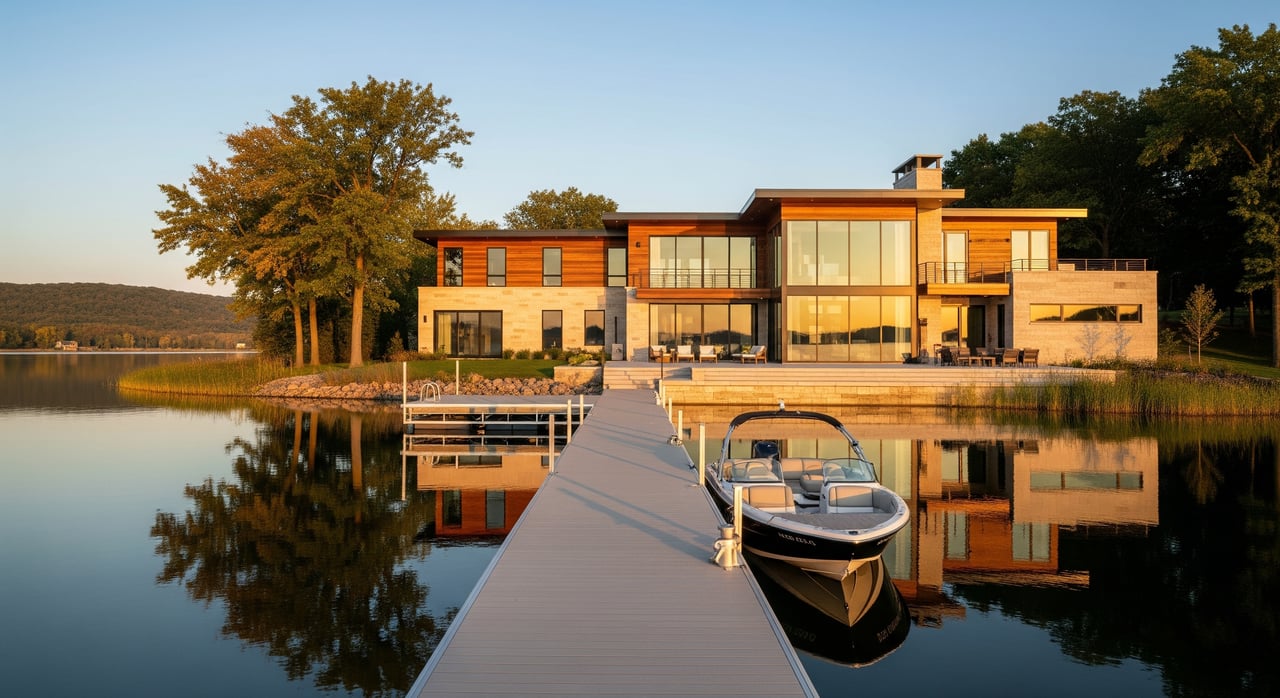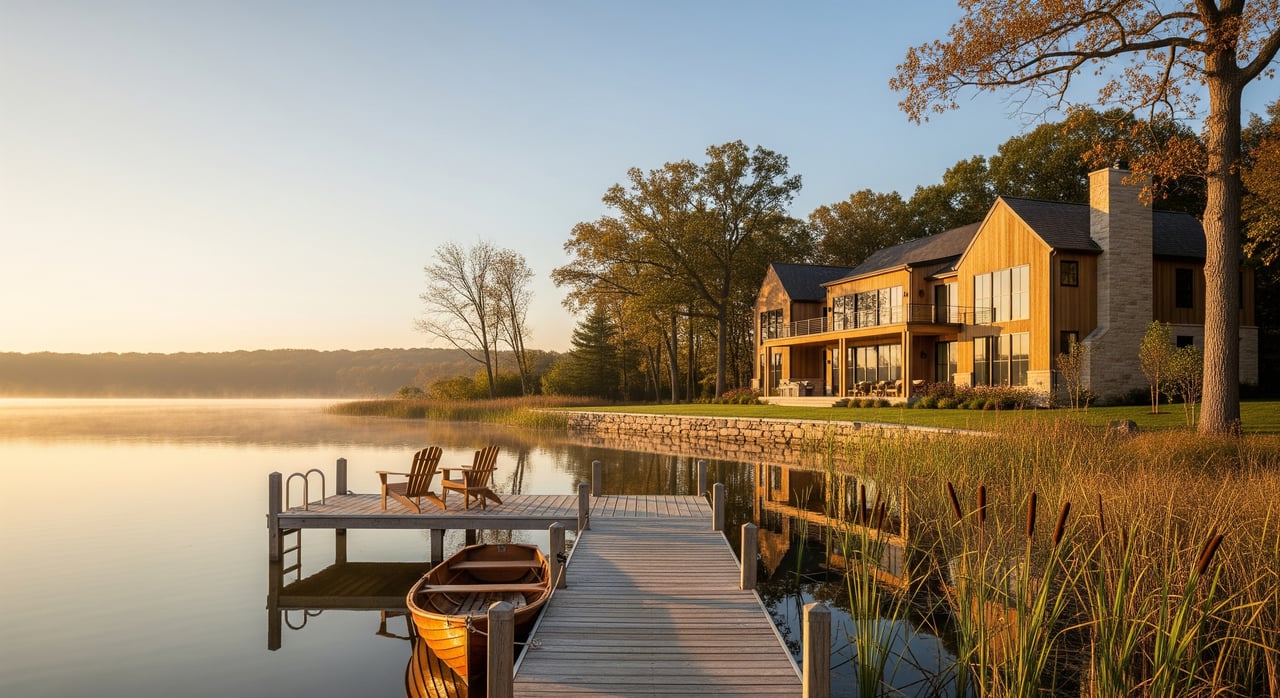
Thinking about turning a lake home in LaGrange 46761 into a short‑term rental? You’re not alone. The lakes draw families, anglers and weekend travelers all summer, and the right setup can help your place pay for itself. In this guide, you’ll learn the key rules, taxes and operational basics for LaGrange County lake properties, plus practical next steps before you list. Let’s dive in.
Check local rules first
Short‑term rental rules around LaGrange County lakes are a patchwork. There is no single statewide license in Indiana, so you need to confirm what applies to your specific property. Rules can come from the Town of LaGrange, LaGrange County Planning and Zoning, the Health Department, and your HOA or lake association.
- Start by calling the Town of LaGrange if you’re inside town limits, along with LaGrange County Planning and Zoning. Ask whether a short‑term rental is allowed in your zoning district or if you need a special exception or conditional use.
- Request zoning verification using the parcel number so you know exactly how the property is classified and what permits may apply.
- Pull your neighborhood covenants and any lake association rules. Many lakeside communities limit occupancy, parking, business use or dock activity.
Zoning, building and fire
Zoning districts that allow single‑family homes may treat short‑term rentals differently if they function like lodging. Some properties need a permit or special exception. Local building and fire officials may also require smoke and carbon monoxide detectors, proper bedroom egress and adequate exits for the number of guests you host. Higher‑occupancy homes sometimes need inspections or documented compliance.
Action: Ask Planning and Zoning to confirm whether your intended guest capacity, layout and use are allowed and whether an inspection is required.
Taxes and reporting
Lodging income in Indiana is taxable. You should expect state sales or lodging taxes and often a local innkeeper tax. Local offices can tell you whether to file monthly or quarterly and how to remit.
Federal reporting also applies. Third‑party platforms may issue a 1099‑K when thresholds are met, and you must report all rental income on your tax return. How you report can vary by services provided and level of activity.
Action: Contact the Indiana Department of Revenue and the LaGrange County Auditor or the Town for local rates and filing steps. Consult a tax professional about Schedule E vs. Schedule C, self‑employment tax exposure and 1099‑K impacts.
Septic, well and lake use
Lake homes often rely on private septic and wells. Septic capacity matters when guest counts rise in peak season. The Health Department can advise on design limits, inspection triggers tied to rentals and any upgrade requirements.
If you use a private well, plan to test water quality regularly and after maintenance. For shoreline and boating, the Indiana Department of Natural Resources manages rules that can affect docks, launch access and invasive species protocols that you and your guests must follow.
Action: Talk with the LaGrange County Health Department about septic capacity and maintenance records. Review DNR guidance for your lake’s dock, boating and shoreline use.
Understand demand on LaGrange lakes
LaGrange County lakes near 46761 attract steady warm‑weather traffic. Peak demand usually runs from Memorial Day through Labor Day, with busy weekends in late spring and summer. Fall foliage can extend bookings on select weekends. Winter is generally slower unless the lake supports ice fishing or other cold‑weather activities.
Common guest profiles include families and multi‑family groups, boating or fishing parties, and weekend travelers from nearby Indiana, Ohio and Michigan metros. Extended summer stays are common for vacationers.
Amenities that drive bookings include:
- Direct water or dock access and private frontage
- Boat parking and launch access
- Outdoor living areas, like a grill, firepit and safe dock railings
- A clean, well‑stocked kitchen and reliable internet
Size your opportunity
To estimate revenue, start with comps:
- Scan active listings on major platforms for LaGrange 46761 and nearby lakes to compare nightly rates, minimum stays, cleaning fees and calendars.
- Consider paid tools that track occupancy and seasonality to build month‑by‑month projections.
- Call local vacation rental managers and agents who specialize in lake properties for what they’re seeing on occupancy, stay length and guest preferences.
Be conservative. Waterfront homes with private docks command premiums, but seasonality and weather matter. Build in low‑season vacancy when you model returns.
Revenue and cost basics
Short‑term rental income varies widely by location, frontage and amenities. Focus on what you can control: guest experience, calendar management and expense discipline.
Typical expense categories include:
- Property management if you hire it, often 15 to 40 percent of gross revenue depending on scope
- Cleaning and turnover labor, laundry and supplies
- Utilities and internet sized for full occupancy
- Maintenance and repairs, which can be higher for waterfront homes and docks
- Insurance with short‑term rental coverage and higher liability limits
- Platform fees, marketing and local taxes or permit fees
Build a conservative pro forma that includes:
- Lower winter occupancy or multi‑month vacancy if your lake is highly seasonal
- Ongoing dock, shoreline and septic maintenance
- Local lodging taxes and filing costs
Operations that work on the water
Managing a lake home is different from a city condo. Seasonal openings, shoreline upkeep and neighbor relations all play bigger roles.
Self‑manage or hire help
You can self‑manage with direct bookings and platform listings, or you can hire a local short‑term rental manager. Local companies understand dock rules, seasonal openings and vendor coordination. Decide based on your distance, time and comfort with 24‑7 guest support.
Turnover and seasonal tasks
Plan for tighter turnover windows in summer and extra outdoor maintenance. You may need seasonal opening and winterizing routines, dock setup and removal, and waste management coordination during high‑occupancy weeks. A documented checklist reduces misses when you or vendors switch shifts.
House rules and communication
Clear rules help prevent neighbor complaints and protect your property. Set expectations for parking, quiet hours, occupancy limits, dock use, water safety and trash pickup. Provide a printed and digital guest manual with emergency contacts for septic, maintenance and local medical services.
Insurance and financing essentials
Standard homeowner policies often exclude short‑term rental activity. You typically need a vacation rental endorsement or a landlord or commercial policy that covers short‑term guests. Given water and dock risks, many owners add an umbrella policy for extra liability protection.
Action: Get written confirmation from your insurer that the policy covers short‑term rental use, named amenities like a dock or hot tub, and your typical guest capacity.
Financing also matters. Some loan types require owner‑occupancy, and investment property loans come with different terms. If you plan to use short‑term rental income to qualify for financing, ask the lender what documentation they will require. Some loan agreements may limit or require notice for rental activity.
Action: Discuss your intended use with your lender early so you understand any restrictions or underwriting requirements.
Compliance and safety checklist
Use this quick checklist as you plan your setup. Verify each item with local offices for your specific address.
- Confirm zoning allows the use or obtain a required permit or special exception.
- Register for state and local lodging taxes. Set a filing calendar and keep records of bookings, receipts and remittances.
- Track all revenue and expenses for federal taxes. Ask a CPA about Schedule E vs. Schedule C and depreciation.
- Install and test smoke and carbon monoxide detectors, provide fire extinguishers and post an evacuation route.
- Verify bedroom egress and occupancy limits. Label exits and stairways.
- Add water‑safety rules for docks and swimming areas. Consider providing life jackets for children and clear depth signage where appropriate.
- Disclose any security cameras in allowed areas. Never place cameras in private spaces.
- Provide a 24‑7 local contact who can respond quickly to noise, parking or maintenance issues.
Next steps and who to call
Before you buy or list, follow these steps for a smoother launch:
- Ask the seller for any short‑term rental permits, lodging tax records, CCRs and lake association rules, septic history and recent utility bills.
- Call LaGrange County Planning and Zoning with the parcel number to confirm allowed use and whether you need a permit or special exception.
- If the property is inside the Town of LaGrange, check with the town about local ordinances or business license requirements.
- Contact the LaGrange County Health Department for septic capacity, inspection history and any occupancy‑based requirements.
- Check with the LaGrange County Auditor or the Town for local lodging tax rates, registration and remittance procedures.
- Speak with a local insurance agent about endorsements and liability limits for lakefront risks.
- Consult a CPA who understands short‑term rentals about federal and state reporting, including any 1099‑K considerations.
Useful contacts include the Town of LaGrange, LaGrange County Planning and Zoning, the Health Department, the Auditor or Treasurer, the Indiana Department of Revenue and the Indiana Department of Natural Resources. Local property managers, CPAs and insurance agents with vacation rental experience are also good resources.
How we can help
Buying or selling a lake home tied to short‑term rental use calls for clear guidance. You can lean on local expertise to verify zoning and septic considerations early, assess market demand by lake, and understand the operational realities that affect value. When you sell, premium marketing, video and multi‑portal exposure help reach out‑of‑area buyers who want LaGrange County’s lake lifestyle. When you buy, you gain a steady hand to evaluate properties, rules and revenue assumptions so you can move forward with confidence.
If you’re exploring a short‑term rental on Adams Lake, Witmer Lake, around Wolcottville or anywhere near LaGrange 46761, let’s talk through your plan and timeline. Schedule a complimentary consultation with Noel Frost.
FAQs
Do I need a permit for a short‑term rental in LaGrange County?
- It depends on your zoning and location; contact LaGrange County Planning and Zoning and the Town of LaGrange to confirm whether short‑term rental use is allowed or requires a special exception.
How are taxes handled for Indiana short‑term rentals?
- Expect state and often local lodging taxes, plus federal income reporting; the Indiana Department of Revenue and the LaGrange County Auditor or Town can explain rates and filing, and a CPA can guide federal reporting.
What septic and well issues should I consider for a lake rental?
- Higher guest counts can strain septic systems, and private wells should be tested; the LaGrange County Health Department can advise on capacity, inspections and documentation.
How seasonal is demand for LaGrange County lake rentals?
- Peak bookings typically run Memorial Day through Labor Day, with busy summer weekends and occasional fall foliage weekends; winter demand is lower unless the lake supports cold‑weather activities.
What insurance coverage should a lakefront host carry?
- Standard policies may exclude short‑term rentals; request a vacation‑rental endorsement or landlord or commercial policy plus an umbrella for higher liability common to water access.
Can my mortgage limit short‑term renting a lake home?
- Yes, some loans require owner‑occupancy or notice for rental use; discuss your plans with your lender early to confirm restrictions and documentation needs.